Strength training is one of the most effective forms of exercise during perimenopause and menopause because it helps preserve muscle mass, strengthen bones, support metabolism, improve balance, and maintain independence as you age. While hormonal changes naturally make it easier to lose muscle and harder to rebuild it, regular resistance exercise can significantly slow these changes. A consistent, well-designed strength-training routine performed two to three times per week can improve both current well-being and long-term health.
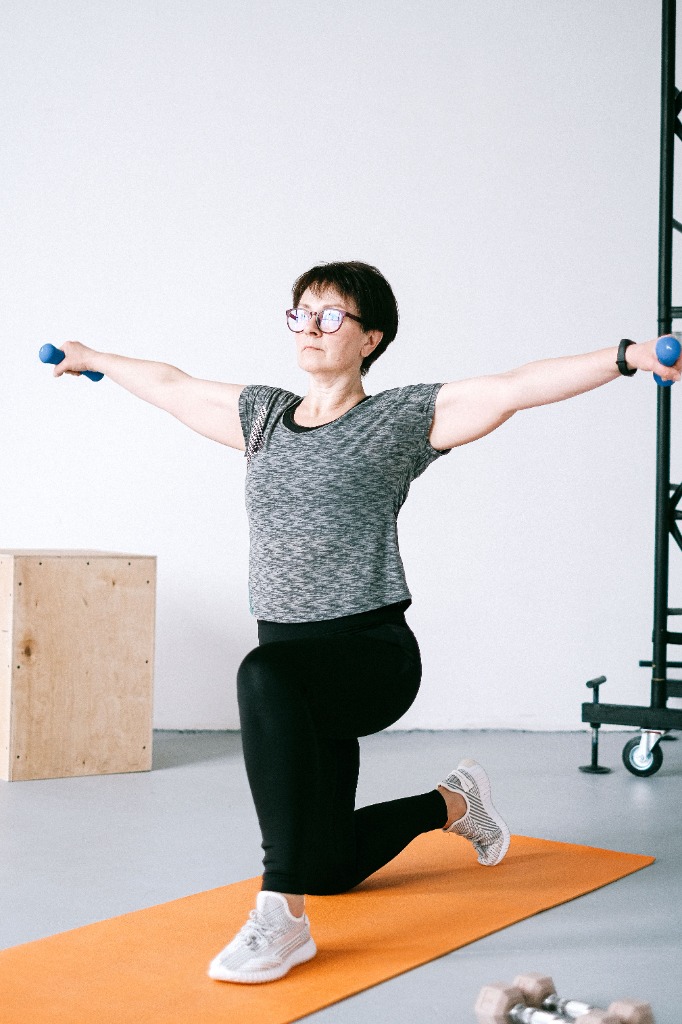
Many women reach their forties believing they know how to stay healthy: eat well, walk regularly, and stay active. Then something begins to change. The workout that once felt easy now leaves you sore for days, your arms seem less defined, and climbing stairs feels a little harder. Carrying heavy shopping bags requires more effort than it used to.
At first, it's tempting to blame a lack of motivation or simply getting older. But often, your muscles are changing—and with them, how your body responds to exercise. During perimenopause and menopause, declining estrogen affects how your body builds muscle, maintains bone, regulates metabolism, and recovers. This is why experts increasingly describe strength training as the most important exercise for women over 40.
Why Does Strength Matter More After 40?
Beginning in midlife, women naturally start losing muscle mass, and hormonal changes during menopause can accelerate that process.
Muscle helps you climb stairs, carry groceries, maintain balance, protect joints, and remain independent. Beginning in your thirties, muscle mass gradually declines as part of natural aging. For women, this becomes more noticeable during menopause because estrogen contributes to muscle maintenance and recovery.
Fortunately, muscles remain remarkably adaptable. Research shows that women can continue building strength well into their sixties, seventies, and beyond when they challenge their muscles consistently.
What Is Strength Training?
Strength training is any exercise that challenges your muscles to work against resistance, which can come from bodyweight, resistance bands, dumbbells, or machines.
Many people picture crowded gyms and heavy barbells, but resistance can come from many sources. Bodyweight exercises, resistance bands, dumbbells, kettlebells, or weight machines are all effective. The key is that your muscles are challenged enough to gradually adapt and become stronger.
Why Does Menopause Affect Muscle?
Declining estrogen changes the way muscles repair, maintain themselves, and respond to exercise.
Estrogen supports muscle protein synthesis, muscle quality, recovery, and insulin sensitivity. During menopause, as estrogen levels drop, the body requires a stronger stimulus to maintain muscle. That stimulus is resistance training. Combined with adequate protein, strength training sends a powerful signal that tells the body these muscles are still needed.
Can Strength Training Slow Muscle Loss?
Yes. Regular resistance exercise is one of the most effective ways to preserve muscle mass and improve physical function as you age.
Studies consistently show that strength training helps preserve lean muscle mass, improve balance, support metabolism, and reduce the risk of falls. Crucially, these benefits aren't limited to lifelong athletes; women who begin strength training later in life can still make substantial improvements.
Is Walking Enough?
Walking is excellent for overall health, but it cannot fully replace the muscle- and bone-building benefits of strength training.
Walking supports heart health, mood, and circulation. However, it provides relatively little resistance to stimulate muscle and bone preservation. The healthiest routine combines both: walking for cardiovascular health, and strength training for muscles and bones.
Does Strength Training Help Bone Health?
Yes. Contractive forces during resistance exercise create mechanical stress that encourages the body to maintain and support bone mineral density.
Bones remodel themselves in response to the forces placed upon them. Weight-bearing resistance exercise, combined with adequate protein, calcium, and vitamin D, is one of the most effective strategies for reducing age-related bone loss after menopause.
Does Strength Training Boost Metabolism?
Yes. Preserving muscle tissue supports a healthier resting metabolic rate, since muscle is more metabolically active than fat.
Strength training also improves insulin sensitivity and blood sugar regulation. Protecting these systems is key to supporting overall metabolic health as you age.
How Often Should Women Strength Train?
For most women, two to three full-body strength-training sessions per week provide an excellent foundation for maintaining fitness.
Muscles become stronger during recovery, not during the workout. Training each major muscle group two to three times per week allows sufficient recovery time. If you're a beginner, starting with two sessions per week is often enough.
How Long Should a Session Last?
A focused, well-designed workout of 30 to 45 minutes is enough to produce excellent results.
Quality and form matter far more than duration. Performing six to eight exercises with good technique is more effective than rushing through a long workout with poor form.
Do You Need Heavy Weights?
Not at first. Choose a resistance that feels demanding during the last few repetitions while allowing you to maintain good control.
If you can easily do thirty repetitions without feeling challenged, the weight is too light. If you cannot maintain proper technique, the weight is too heavy. The ideal resistance lies in between.
Does Strength Training Make Women "Bulky"?
No. Women produce much lower levels of testosterone than men, making it very difficult to build large amounts of muscle.
Building bulk requires highly specialized training, strict nutrition, and genetic advantages. Instead, strength training helps women achieve improved muscle tone, better posture, healthier body composition, and greater strength.
Is It Ever Too Late to Start?
No. Research shows that women in their sixties, seventies, and eighties can safely make substantial gains in strength and balance.
Your muscles remain adaptable throughout life. The best time to start is now, regardless of your current fitness level.
How to Start Safely
Begin with simple movements, focus on proper technique, and increase the challenge gradually (progressive overload).
Start with bodyweight movements or light bands. Squats, push-ups, rows, bridges, and modified planks are excellent foundational exercises. Learn proper form before increasing weight, and always allow rest days between sessions.
Common Mistakes to Avoid
Common errors include avoiding resistance, only doing cardio, skipping recovery, and not consuming enough protein.
To get the most out of your training, ensure you're gradually challenging your muscles, eating enough protein to support repair, and allowing adequate rest. Progress takes time; celebrate what your body can do, not just how it looks.
When to Seek Medical Advice
Consult your doctor before starting if you have uncontrolled high blood pressure, significant heart disease, severe osteoporosis, recent surgery, or persistent joint pain.
Frequently Asked Questions
Is strength training better than cardio during menopause?
Both are important. Strength training supports muscles and bones, while cardio benefits heart health. A combination of both is ideal.
Do I need a gym membership?
No. Resistance bands, dumbbells, and bodyweight exercises can all be performed effectively at home.
Can strength training help prevent osteoporosis?
Yes. It stimulates bone preservation, but should be combined with calcium, vitamin D, and a balanced diet.
Last updated: June 30, 2026
Medical Note: This article is for informational purposes only and does not replace professional medical advice. If you experience severe, persistent or concerning symptoms, consult your doctor or healthcare provider.
References
- North American Menopause Society (NAMS). The Menopause Guidebook.
- International Menopause Society (IMS). Recommendations on physical activity.
- American College of Sports Medicine (ACSM). Exercise Guidelines.
- National Institutes of Health (NIH). Exercise and Healthy Aging.
- Mayo Clinic. Strength Training for Healthy Aging.
- Cleveland Clinic. Resistance Training During Menopause.