Waking up around 3 a.m. during perimenopause or menopause is surprisingly common and is linked to hormonal changes, shifts in the body's internal clock, stress responses, temperature regulation, and normal age-related changes in sleep. While estrogen and progesterone don't directly cause you to wake up at a specific hour, they influence many of the systems that keep sleep stable throughout the night. Understanding why these awakenings happen is the first step toward improving your sleep.
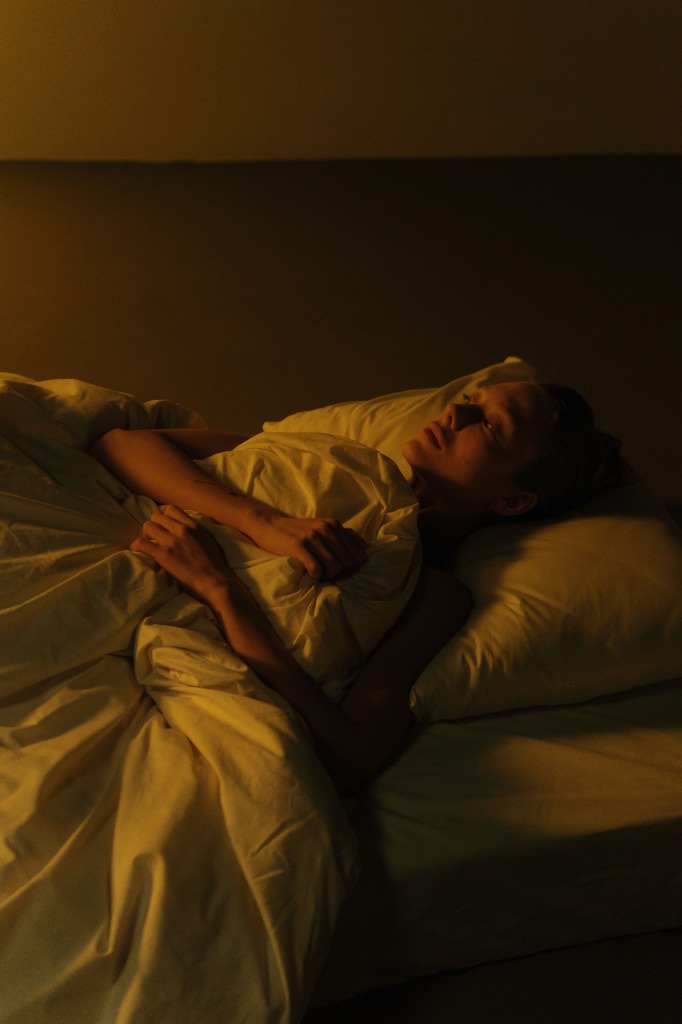
You fall asleep without much trouble. The house is quiet, and you finally have a chance to rest. Then your eyes open. You glance at the clock: 3:07 a.m. Or 3:24. Maybe you manage to drift back to sleep, or maybe your mind starts racing through tomorrow's to-do list.
After this happens for weeks, it's easy to ask questions: *Why does this keep happening? Is something wrong with my hormones?* The reassuring news is that this experience is incredibly common. Nighttime awakenings become much more frequent during the menopausal transition, and they usually have understandable biological explanations.
What Happens to Sleep During Perimenopause?
Hormonal changes during perimenopause make sleep lighter and more easily interrupted by affecting brain systems that regulate sleep, temperature, and mood.
Throughout the night, your brain cycles through stages of sleep approximately every 90 minutes. Brief awakenings happen naturally between cycles, but during perimenopause, declining estrogen and progesterone make these awakenings much more noticeable. Progesterone has naturally calming properties, and its decline can make sleep lighter.
Why 3 A.M. Specifically?
Several normal biological processes, including temperature shifts and cortisol production, reach transition points in the early morning hours, making awakenings more likely if sleep is already fragile.
Between 2 a.m. and 4 a.m., melatonin levels begin to drop, body temperature reaches its lowest point, and cortisol starts to rise gradually to prepare you for waking. In younger adults, these shifts go unnoticed, but during menopause, they are often enough to bring you fully awake.
Is Estrogen Responsible?
Estrogen affects brain chemicals and temperature regulation, so its fluctuations can destabilize overnight sleep.
Estrogen regulates neurotransmitters like serotonin (which is involved in mood and melatonin production) and helps control the brain's thermostat. When estrogen levels fluctuate, even a minor temperature shift or a mild, unnoticeable hot flash can wake you up.
Could Cortisol Be Waking Me Up?
Yes. While cortisol levels rise naturally in the early morning, chronic stress or hormonal transitions can make the body's stress response more sensitive, keeping you awake once you wake up.
High cortisol levels can cause heightened alertness, a racing mind, and difficulty falling back asleep. Relaxation techniques and consistent bedtime routines can help lower overnight stress response.
Are Hot Flashes Always the Cause?
No. While night sweats are common, hormonal changes can subtly disrupt temperature regulation without causing a classic hot flash.
Some women wake up sweating, but many just throw off the blankets or wake up for no obvious reason. The brain's temperature center becomes more sensitive, triggering awakenings at minor thermal changes.
Can Anxiety Keep You Awake?
Yes. Hormonal shifts affect calming neurotransmitters (like GABA and serotonin), which can trigger middle-of-the-night overthinking and anxiety.
Lower progesterone reduces the natural calming effect. Once you wake up, your mind easily starts racing through worries, creating a cycle of conditioned wakefulness where your brain expects to wake up at 3 a.m.
Does Blood Sugar Play a Role?
Yes. Swings in blood sugar from late-night high-sugar snacks or skipping meals can cause cortisol spikes and disrupt sleep.
Eating a balanced evening meal with protein, healthy fats, and fiber helps maintain stable overnight glucose levels.
Could Alcohol or Caffeine Be Making Things Worse?
Quite possibly. Alcohol disrupts sleep quality in the second half of the night, while caffeine has a long half-life and can make sleep much lighter.
Alcohol fragments sleep and worsens hot flashes. Limiting evening alcohol and avoiding caffeine after lunch are simple experiments that can yield significant improvements.
How Can You Reduce 3 A.M. Awakenings?
Creating a cool environment, getting morning light, staying active, and avoiding checking the clock are highly effective strategies.
- Consistent Schedule: Go to bed and wake up at similar times daily.
- Morning Light: Spend 15–30 minutes in natural daylight to anchor your circadian rhythm.
- Stay Active: Regular exercise (like strength training) is associated with deeper sleep.
- Cool Environment: Keep the bedroom cool and use breathable bedding.
- Don't Panic: Avoid checking the clock when you wake, keep lights dim, and focus on slow breathing.
Should You Track Your Sleep?
Yes. Tracking sleep, symptoms, stress, and lifestyle factors over several weeks reveals connections you might not remember from memory alone.
Apps like **Menoup** can help you log your sleep and symptoms, providing personalized insights. Over time, Mona AI can help you interpret these trends to support smarter sleep strategies and discussions with your healthcare provider.
Frequently Asked Questions
Why do I wake up at exactly the same time every night?
Your body follows predictable sleep cycles. Lighter menopausal sleep makes you more likely to fully wake during these normal transitions.
Can HRT improve sleep?
If sleep disruption is primarily driven by hot flashes and night sweats, hormone replacement therapy may help, but it should be discussed with a doctor.
Will sleep improve after menopause?
For many women, sleep becomes more stable once hormone levels settle. However, consistent sleep hygiene habits remain important.
Last updated: June 30, 2026
Medical Note: This article is for informational purposes only and does not replace professional medical advice. If you experience severe, persistent or concerning symptoms, consult your doctor or healthcare provider.
References
- North American Menopause Society (NAMS). Sleep and Menopause Resources.
- National Institute on Aging. A Good Night's Sleep.
- Mayo Clinic. Menopause: Symptoms and Causes.
- Cleveland Clinic. Menopause and Sleep Problems.